Research | Epidemiological | Observational
Understanding Population Health Through Longitudinal and Observational Studies
Introduction
Observational Research is an important component of the Epidemiological Research portfolio at the Rakai Health Sciences Program (RHSP). It focuses on studying health conditions and outcomes in populations through research that observes and follows participants without assigning them to specific interventions.
RHSP's ongoing observational research portfolio includes investigations into post-tuberculosis lung disease, the Rakai Community Cohort Study (RCCS), and SENTINEL.
These research areas contribute to RHSP's broader efforts to generate evidence on population health, disease patterns and long-term health outcomes.
Ongoing Research
Population-Level Evidence from Rural Uganda
Why This Study Matters
Tuberculosis (TB) remains a major public health challenge, and surviving TB does not always mean a complete return to good health. Many individuals continue to experience long-term respiratory complications, reduced lung function and an increased risk of chronic illness even after successful treatment.
Although post-TB lung disease is increasingly recognized as an important health concern, it remains difficult to determine how much lung damage is directly caused by TB and how much results from pre-existing conditions or exposures such as air pollution, smoking, HIV and poor nutrition.
This study seeks to address this gap by examining lung health before, during and after TB at the population level.
Study Overview
In May 2026, the Rakai Health Sciences Program (RHSP), in collaboration with the Johns Hopkins Bloomberg School of Public Health, launched a five-year prospective population-based cohort study funded by the National Institutes of Health (NIH).
The study investigates the causal impact of tuberculosis on long-term lung health.
It draws on two research platforms:
- Rakai Community Cohort Study (RCCS)
- Epidemiology and Impact of the HIV, NCD, and Urbanization Syndemic in Africa (VICINITY)
Together, these platforms enable the follow-up of approximately 24,500 participants with existing lung-function, demographic, behavioural and clinical data.
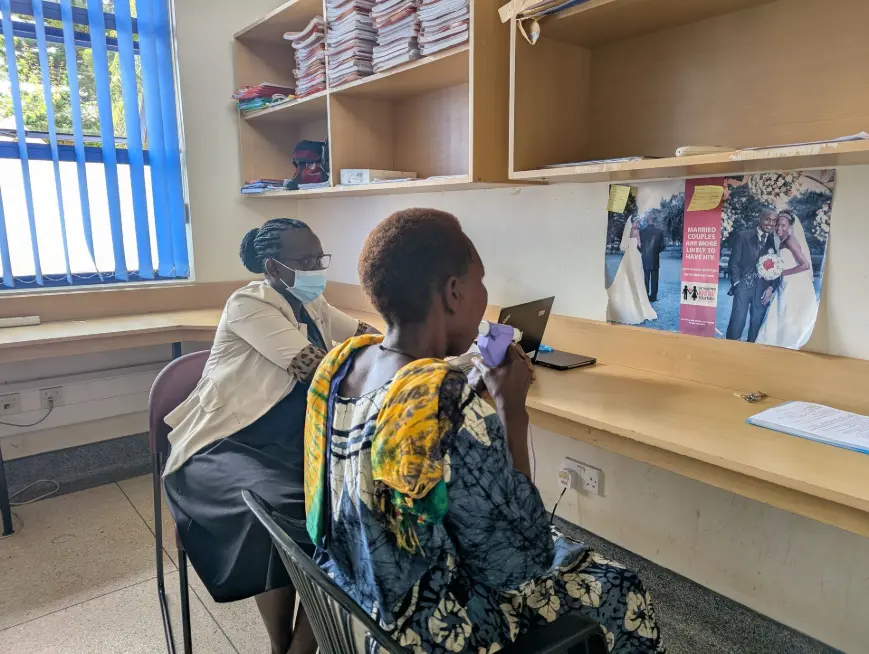
Study activities are underway, with participants being enrolled and monitored across study communities.
Study Objectives
The study has three primary objectives:
Objective 1: Understand Changes in Lung Function
Examine how lung function changes before and after TB by comparing individuals who develop TB with matched community controls, including differences by HIV status.
Objective 2: Identify Risk Factors
Identify baseline risk factors and biological markers associated with TB-related declines in lung function.
Objective 3: Estimate the Long-Term Burden
Estimate the long-term burden of post-TB lung disease that could potentially be prevented through interventions such as TB prevention, earlier diagnosis, smoking cessation, improved HIV care and nutritional support.
Key Study Activities
Participants undergo baseline lung-function testing and are monitored every three months for TB symptoms and diagnosis.
Those who develop TB are followed alongside matched community controls and receive detailed clinical assessments, including repeat lung-function testing, biomarker analysis and respiratory quality-of-life evaluations.
Participants are followed for at least one year after completing TB treatment.
The study also plans to conduct a population-wide sputum survey in its fourth year to identify symptomatic and subclinical TB cases that may go undetected in routine healthcare.
Expected Impact
The study is expected to generate evidence that can:
- Inform national and global policies on post-TB care and long-term lung disease management.
- Guide interventions such as preventive therapy, smoking cessation, nutritional support and improved HIV care.
- Support early identification of symptomatic and undiagnosed TB cases.
- Inform estimates of the lifetime burden of post-TB lung disease and the potential benefits of targeted interventions.
By investigating lung health before TB develops and following participants over time, the study aims to improve understanding of the long-term respiratory consequences of tuberculosis.
The Rakai Community Cohort Study (RCCS) is listed among RHSP's ongoing observational research studies.
It also serves as one of the existing research platforms used by the Post-TB Lung Disease Study, providing participant cohorts and previously collected demographic, behavioural and clinical information.
Research Area: Observational Research
Research Status: Ongoing
Join us in our mission to advance health research and improve public health outcomes globally.
Collaborate for Health, Innovate for Impact.